Archive for June, 2009

Adopting new technology

Monday, June 22nd, 2009

In the interest of full disclosure, Dutch Dresser is a principal of Maine Energy Systems which distributes pellet-fired boiler systems for residences, institutions, and businesses.

In the 1990′s, I spent much of my time on the technical and social aspects of distribution of the Internet to populations largely unfamiliar with its uses. That population included nearly everyone at that time. This all began as experimental work in my office at Gould Academy, where I then worked, and grew beyond anything I could have expected. Over a course of years, I consulted and spoke widely on matters both technical and social about the Internet, often focused on school and rural community application.

I mention that earlier experience here because the endeavor that we at Maine Energy Systems and others in the alternative thermal energy world, in general, are engaged in now is such a close analogue to the deployment of the Internet to unaware communities that I can’t resist making the comparison.

As I stood at the Podium at the Heating the Northeast conference in Nashua, NH, a while ago talking to an intent audience about the different technologies of pellet boilers, I was having remarkably vivid recollections of standing a decade and a half ago before large populations of would-be computer networkers anxious to know all about the protocols and technical practices of the Internet, information now only of interest to the technorati.

We are in the same phase of satisfying the heightened interest among technicians about alternative thermal energy now that Internet revolution was in during the late 1990′s. No doubt someone has named this phase, already, but to me, it is the The Deployer Phase. The most common and most productive interest now in deployment of these important technologies lies in training those who will ultimately play a significant role in bringing the technologies to the public, the installing contractors.

In the early Internet days, there were Early Adopters who just had to try this new technology even though they weren’t quite sure what they would do with it. They simply had curiosity, interest, and sufficient capacity to explore. The very early adopters also shared patience as a dominant attribute. The Internet “industry” lurched forward with changing systems and “improving” applications, each with its own start-up pains, early failures, and ultimate acceptance or failure. Technologists in the United States were leading the emergence of that telecommunications revolution, within ten years it services would be widely distributed and used around the globe.

The thermal biomass heating revolution, which is beginning to occur in the United States, differs from the Internet revolution in that it already has a substantial history in Western Europe. Early Adopters here are not experiencing the pellet heating equivalent of operating at 300 baud or uudecoding images for viewing in a largely text based system, instead they are enjoying the substantial developmental work of pioneers from Sweden and Austria, most notably.

Systems are currently available in the U.S. that are simple, robust, efficient and moderately priced. More expensive and more sophisticated systems with ease of use rivaling liquid fuel systems are also coming available in the U.S. for the coming heating season. A broad range of energy output levels will be available which will allow for efficient, renewable energy heating of buildings from the smallest, best insulated cottage to institutional buildings.

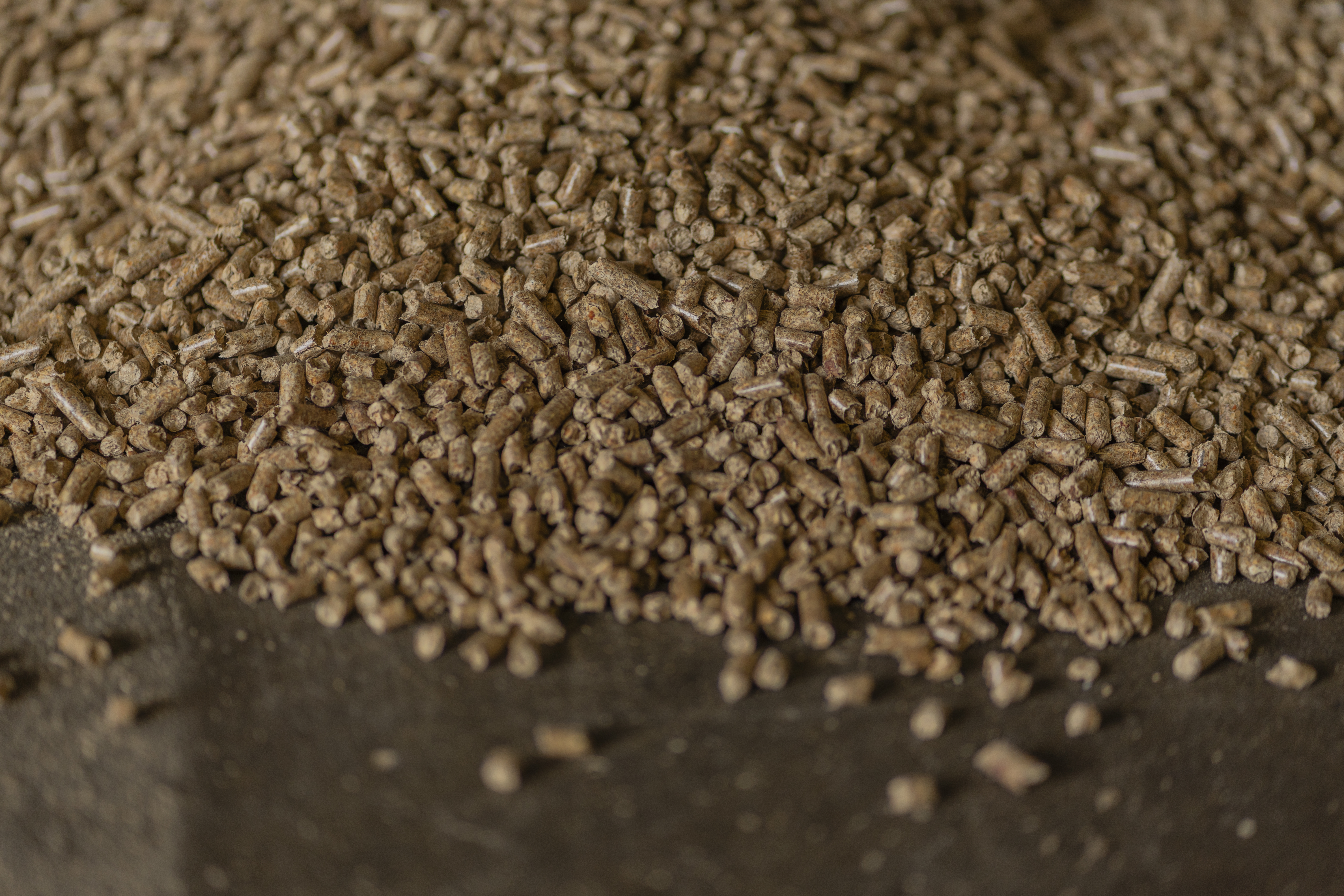
Right now, consumers are interested in whether pellet burners are top fed, horizontally fed, or bottom fed, how ash is handled, and whether or not the systems comfortably handle wood pellets that are less than perfect. It is easy to predict that this specificity of interest will give way to name brand recognition as homeowners gain confidence in pellet boiler technology and begin to understand the tremendous economic and environmental benefits of home heating with locally produced renewable resources.

Dutch Dresser

Janfire NH burner reconfiguration

Monday, June 22nd, 2009


In the interest of full disclosure, Dutch Dresser is a principal of Maine Energy Systems in Bethel, Maine. Maine Energy Systems distributes the Janfire NH burner discussed in this post.

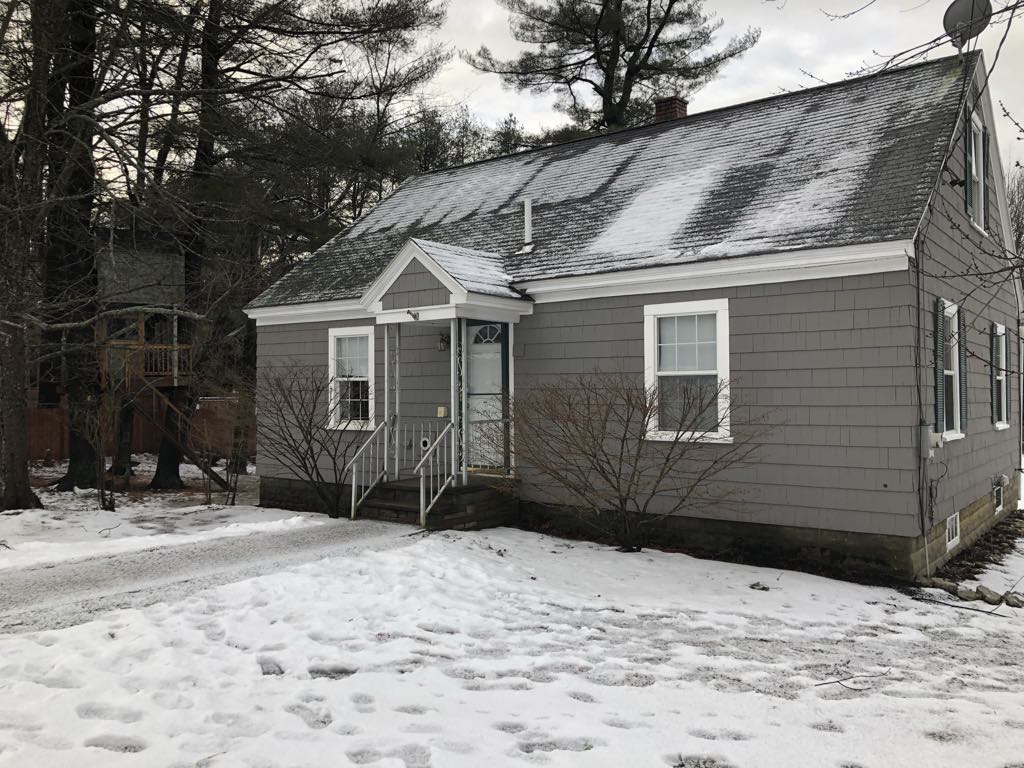
As those who’ve read my posts will know, I’ve enjoyed my MESys 4000 system this past winter, and I have experienced no significant issues with the Janfire NH pellet burner that fires the Bosch cast iron boiler. Nonetheless, others have experienced different issues with their systems, so all burners in the field have been receiving a system reconfiguration this spring to eliminate known weaknesses. I had my burner done last week, one of the last to receive this reconfiguration.

Peter, the Bosch tech, removed the burner from my house, took it to our MESys facility, and performed the necessary reconfiguration. This included a full inspection, the replacement of two temperature sensors, one in the drop shaft and one in the burner bowl, and the installation of new processor software.

Once the burner work was complete, Peter gave my boiler a thorough cleaning, including the flue vent. While cleaning the boiler, Peter discovered that the refractory insulation in my pellet boiler door was cracked, so he replaced it. He also ensured that there was plenty of insulation above the burner aperture. This reduces heat to the drop shaft temperature sensor. It is that sensor that would detect any burn back issues, so keeping it cool prevents any false positive readings.

Any reluctance I’d felt earlier to having the burner modified, I soon lost. Peter did a great job. The burner continues to operate beautifully for me, and seems to spend even more of its time in either “keep alive” or “waiting” mode now that it just heating domestic hot water. I’m anticipating somewhat lengthened cleaning cycles this summer.

I continue to find the transition from oil to renewable, locally produced wood pellet fuel for heating my home a satisfying experience.

Dutch Dresser